

AgriCord had the privilege of participating in the Forest and Farm Facility (FFF) Global Conference in Santa Cruz de la Sierra and the Chiquitania region of Bolivia.
For AgriCord, this was a particularly meaningful moment as one of the four core partners of the FFF, together with FAO, IIED and IUCN. Since 2012, this partnership has been working to strengthen forest and farm producer organisations and their ability to shape more resilient landscapes, livelihoods and food systems.
The conference brought together producer organisations, Indigenous Peoples and local communities, governments, private sector actors and international partners. But most importantly, it put the voices, experience and solutions of forest and farm producers at the centre.
The resulting Chiquitania Declaration is a strong call to move from recognition to action.
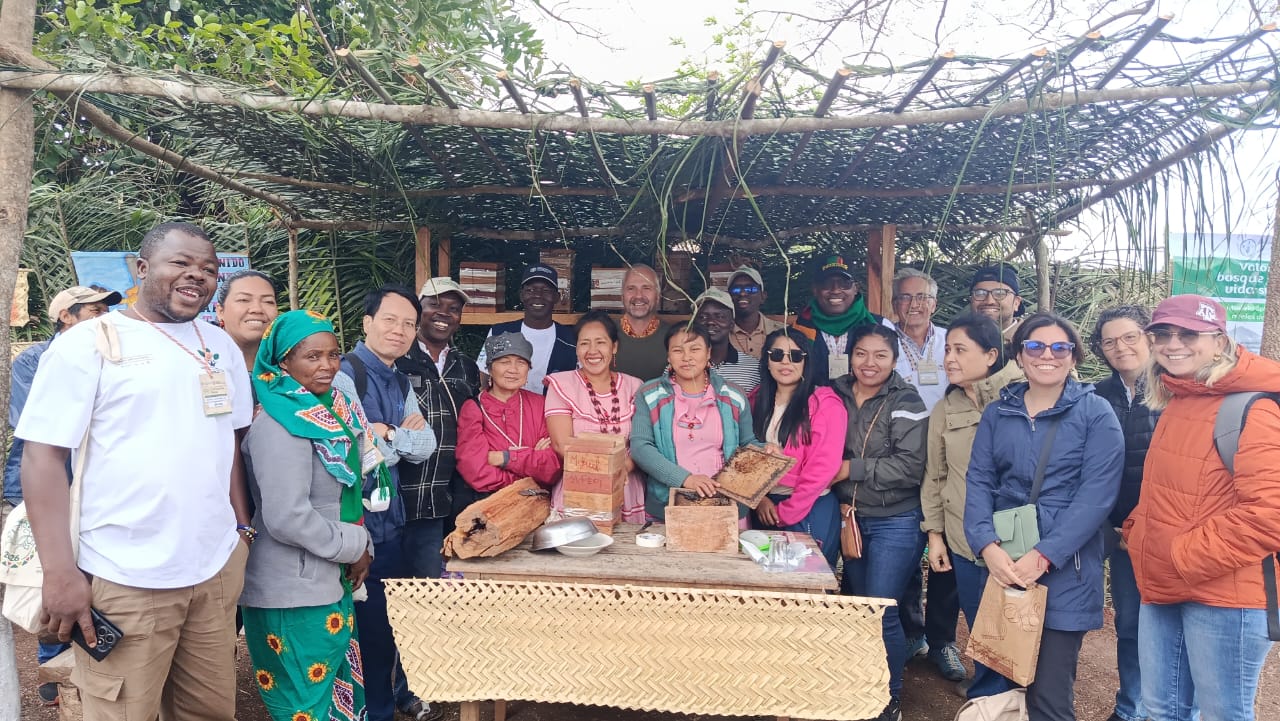
A few messages stand out:
1. Producer organisations are part of the solution.
They are already delivering practical solutions through agroecology, agroforestry, community forestry, forest landscape restoration, sustainable enterprises and climate-resilient food systems.
2. Those who manage and depend on territories need to have a real say in their future.
Secure land, forest, water and tree rights, respect for Indigenous and traditional knowledge, and meaningful participation in policy and investment decisions are fundamental.
3. Finance needs to reach producers more directly and work for them.
The Declaration calls for investment in producer-led financial mechanisms, as well as financial products adapted to farmers’ production cycles, cash flows and climate risks. Too often, climate, nature and development finance still does not reach producer organisations in accessible and appropriate forms.
4. Strong organisations are an investment in transformation.
Governance, leadership, advocacy, technical services, market access and the capacity to engage in policy processes may sound like “institutional” investments, but they are what enable producer organisations to mobilise resources, deliver services and sustain change over time.
5. Women and young people need to be leaders, not simply target groups.
The Declaration places particular emphasis on their access to leadership, land, finance, markets, skills, technology and opportunities.
6. And scaling is ultimately about partnerships.
Producer organisations cannot do this alone. Governments, development partners, research institutions, private investors, philanthropies and civil society all have roles to play. But the partnership needs to start from a recognition of producer organisations as actors, leaders and strategic partners, rather than simply recipients of programmes.
The most important message from Bolivia: Productive forests and climate-responsive food systems will only thrive when the people who live in, manage and depend on these territories can lead the decisions, shape the investments and drive the action.
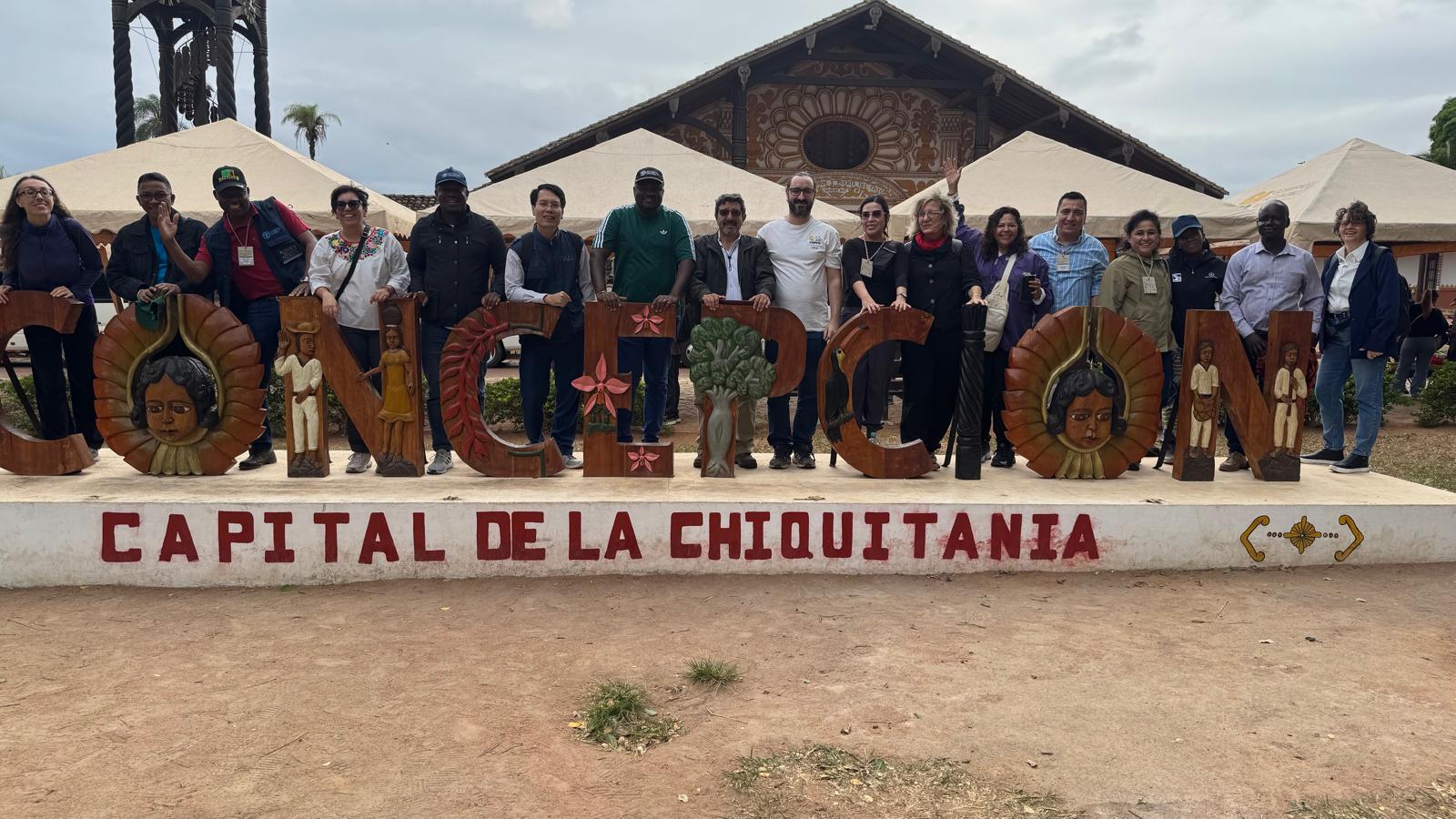
The Chiquitania Declaration gives us a shared framework for turning that principle into concrete action – through stronger organisations, better policies, more appropriate finance and long-term partnerships.
After more than a decade, FFF experience provides evidence of what becomes possible when we invest in organised producers and their own capacities to lead change.
As AgriCord alliance we are committed to continue in bringing these lessons further – to scale producer-led solutions, not only projects.
The Forest and Farm Facility is a partnership co-managed by the Food and Agriculture Organization of the United Nations (FAO), the International Institute for Environment and Development (IIED), the International Union for Conservation of Nature (IUCN) and AgriCord. The programme currently operates in Latin America, Africa and Asia, strengthening regional and global networks of forest and farm producer organizations.